
Customer Story
Zengineer's Workshop · zengineersworkshop.com
56% More Sales, and More Free Time
Zengineer's Workshop is a one-person shop growing rapidly. Printago's build queue and storefront integration let the owner run lights-out production, scaling from 7 to 16 printers without adding hours.
| Without Printago | With Printago | |
|---|---|---|
| Time saved per week | Baseline | 8+ hours |
| Gross sales | Baseline | +56% |
| Fleet size | 7 printers | 16 printers |
| Slicing & G-code prep for X1C / P1S / P2S | Three versions per part | One cloud slice, automated |
| Maintenance tracking | Whiteboard | Linked to machine usage |
| Payback period | Baseline | First month |
What They Make
The Challenge
Zengineer's Workshop hit a point where the owner needed to claw some time back. A one-person operation was growing rapidly, and the way production was being managed did not scale with it.
Slicing and G-code prep ate into every day. With a mixed fleet of Bambu Lab X1C, P1S, and P2S machines, every part needed its own version of G-code per printer. Production processes lived entirely in the owner's head. File and design revisions were tracked by memory, which risked printing old versions. Maintenance was a whiteboard. And keeping machines fed meant frequent 1am runs out to the workshop to load, unload, and start new jobs. Growth was capping itself on the owner's available hours.
"I hit a point where I needed to claw some of my time back."
How Printago Made It Possible
Introducing Printago meant some extra work up front, but that work paid for itself in the first month in time savings. The owner implemented it at 7 printers. Slicing and G-code prep became a thing of the past, production management moved out of the owner's head and into software, and file and revision management got centralized so old versions never print by accident.
“At changeover Printago saved me ~4 hours per week, but I suspect now it's more than 8.”
“Slicing and G-code prep is a thing of the past. Production management no longer has to live in my head. File and design revision management is now centralized, so there's no printing old versions unintentionally.”
“When I introduced Printago it was some extra up front work, but that work paid me back in the first month in time savings. It's given me capacity to scale since.”
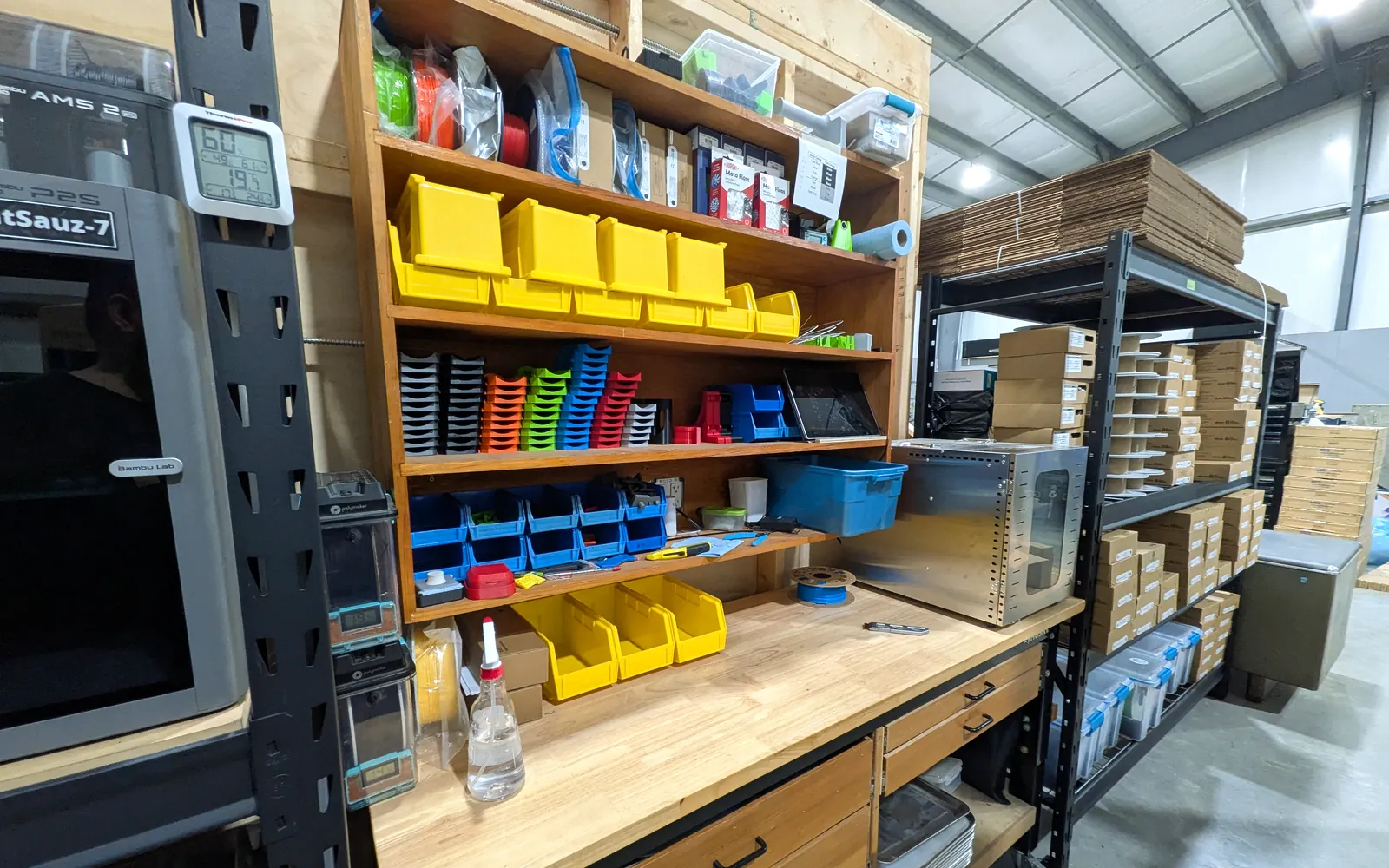
Inside the Workshop
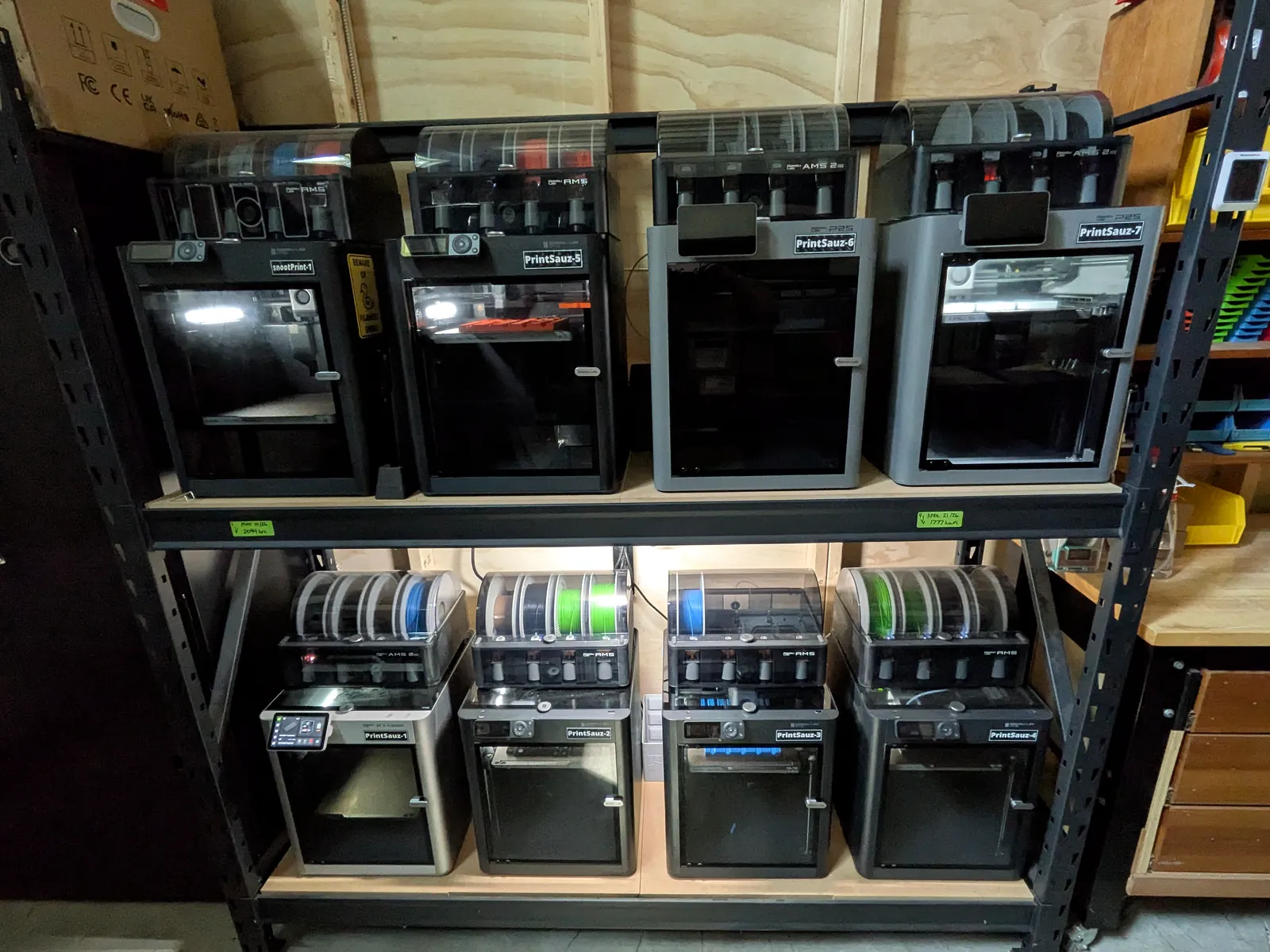
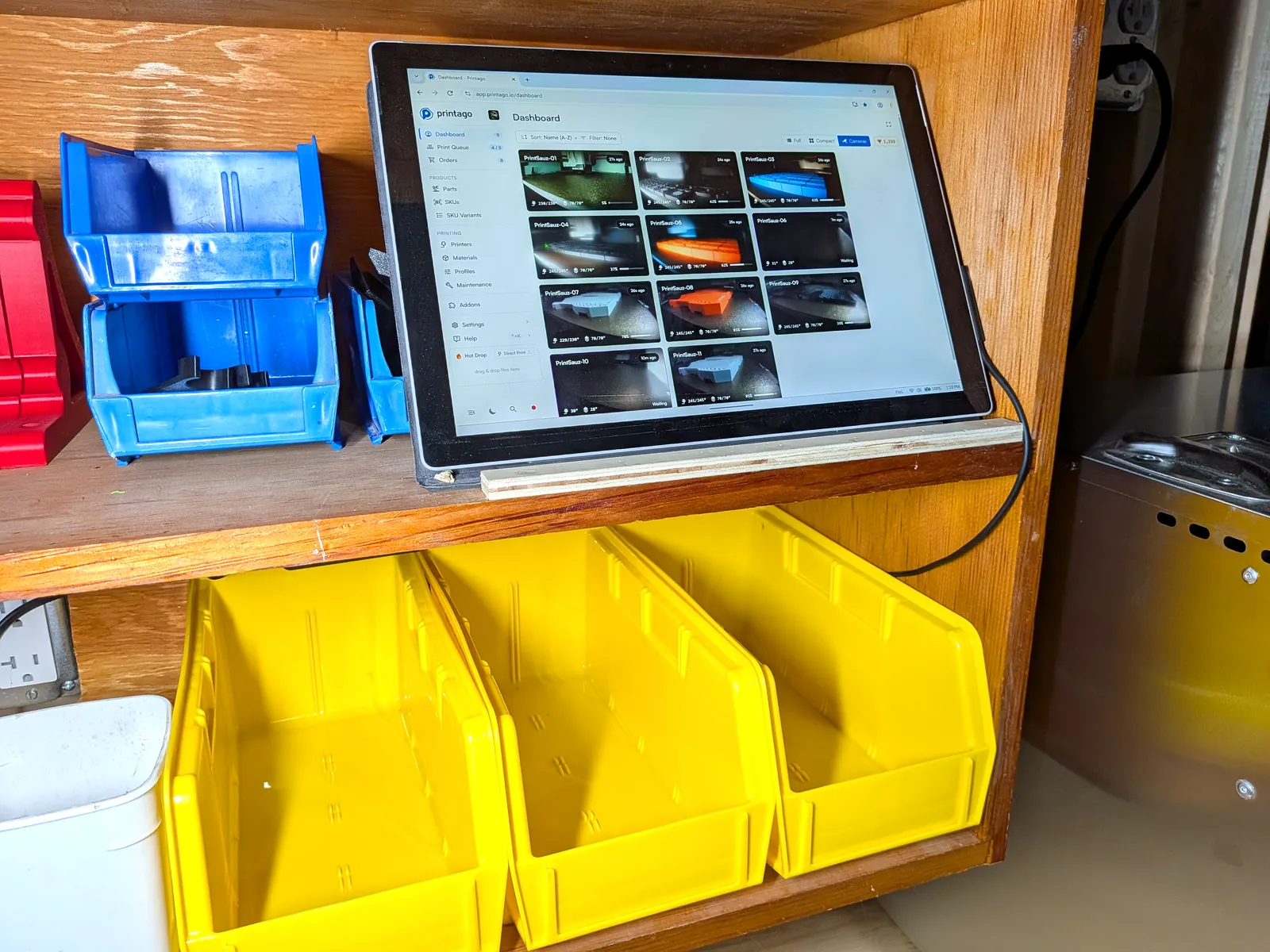
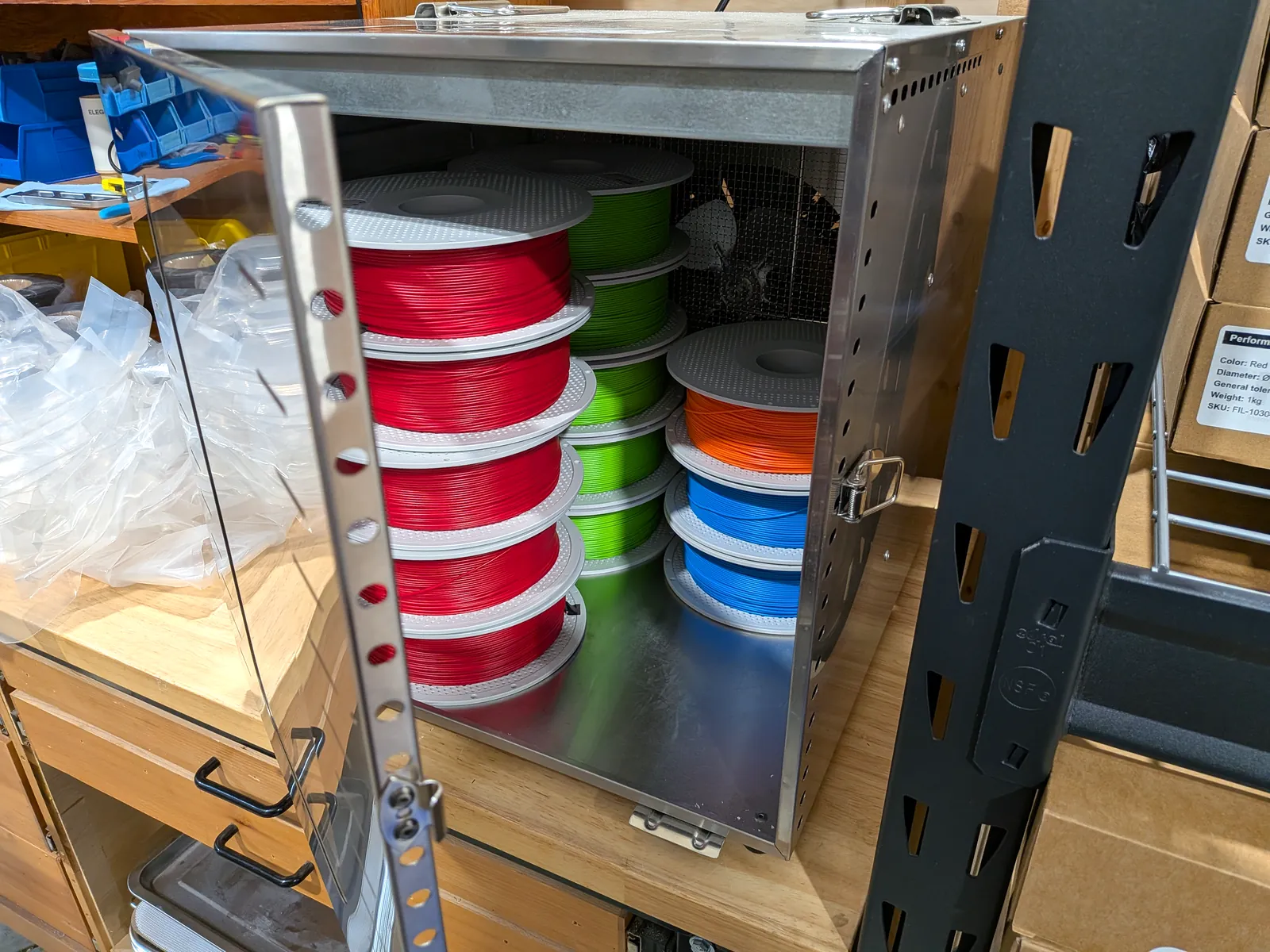
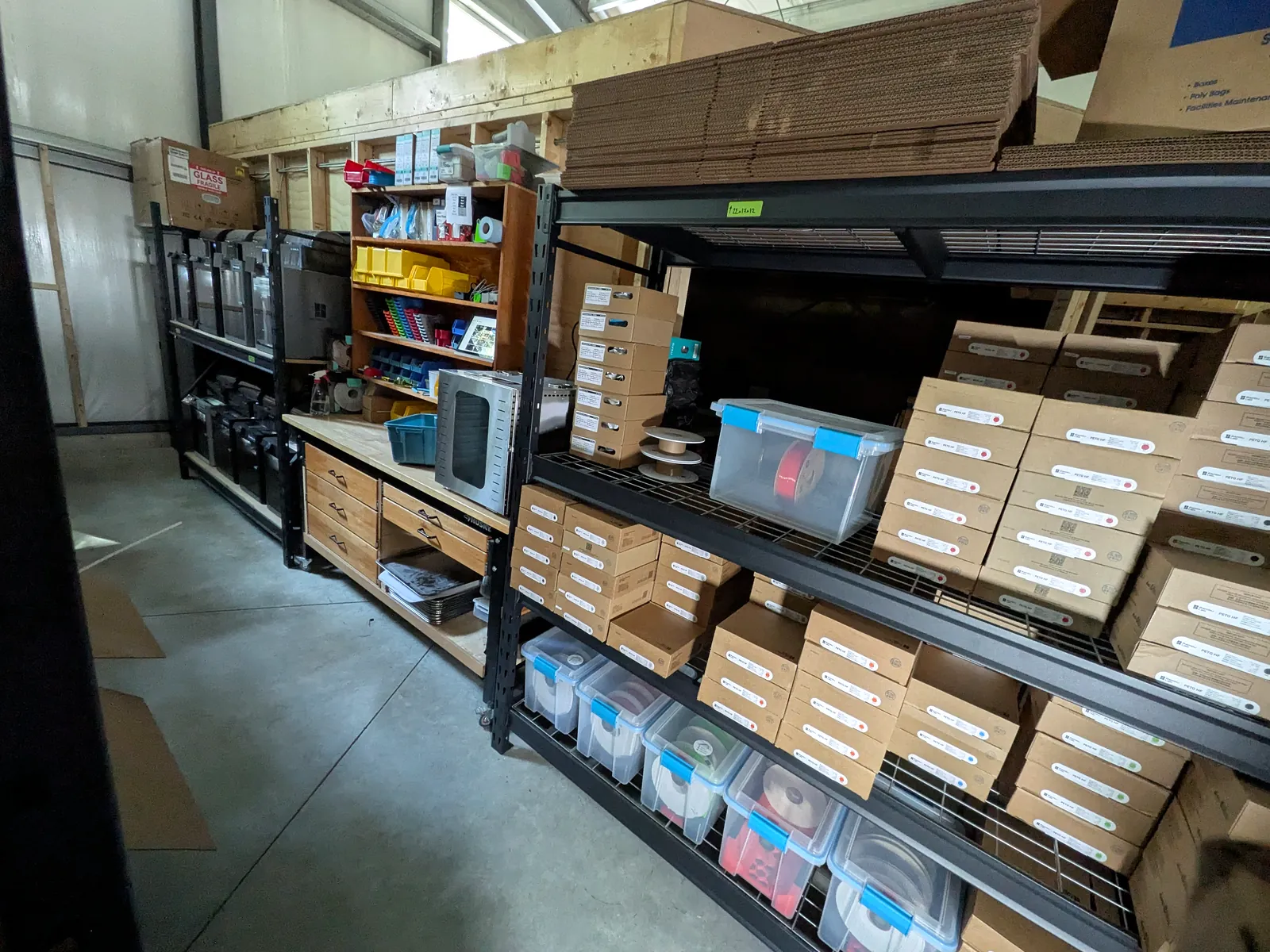
Results
- Gross sales up 56% since adding Printago, with more free time available, not less
- Scaled the fleet from 7 printers to 16 to keep up with demand
- Paid for itself in the first month, including the time to get everything set up
- 25kg of filament and 150+ print jobs completed every week
- More printers than print slots: as one job finishes, the next printer is queued and ready, so software cost only grows at real benchmarks
- No more 1am runs to the workshop to load, unload, and start jobs
Favorite Features
A build queue that runs lights-out
The build queue
“Jobs are ready to go as soon as a printer is available. This has allowed me to buy and maintain fewer printers than I would need otherwise.”
Printago keeps jobs staged so the moment a machine frees up, the next print is queued and ready. Because pricing is based on concurrent print slots, the shop runs more printers than slots and only adds slots at real thresholds, keeping lights-out manufacturing at a fraction of the cost of other solutions.
Storefront integration
“Having my web stores tied in to Printago means it's a couple clicks from order received to production. Facilitates lights-out production.”
Orders flow from the shop's sales platforms straight into production, cutting out the manual handling that used to sit between a sale and a started print.
Cloud slicer for a mixed fleet
“The cloud based slicer means that with our fleet of X1C, P1S and P2S printers we don't have to have three versions of G-code for every part we make. It's hands off and automated.”
One part, sliced in the cloud, targeted at whatever machine is ready. No per-printer G-code libraries to maintain.
Maintenance tracking
“Maintenance tracking and recording has saved time, and also put production related information in our core manufacturing software, Printago.”
Maintenance is tied to each machine and its actual usage instead of a whiteboard, so upkeep is scheduled against how hard a printer has really worked.
Centralized files and revisions
Designs and their revisions live in one place, so the shop never prints an outdated version by accident, and handing production off to future staff becomes a matter of the software, not hundreds of memorized nuances.
Advice for other print farm operators
“There is a minimum size where farm management software is a time saver, and it's fewer printers than most people think. I implemented it at 7 printers and it paid for itself in the first month even considering the time to get everything set up. I could have done it sooner and would have seen benefit then.”
The Bottom Line
A solo shop growing rapidly added Printago at 7 printers, saw it pay for itself in the first month, and has since grown to 16 printers with gross sales up 56% and more free time. As one owner put it, true lights-out manufacturing turned out to be possible at a fraction of the cost.
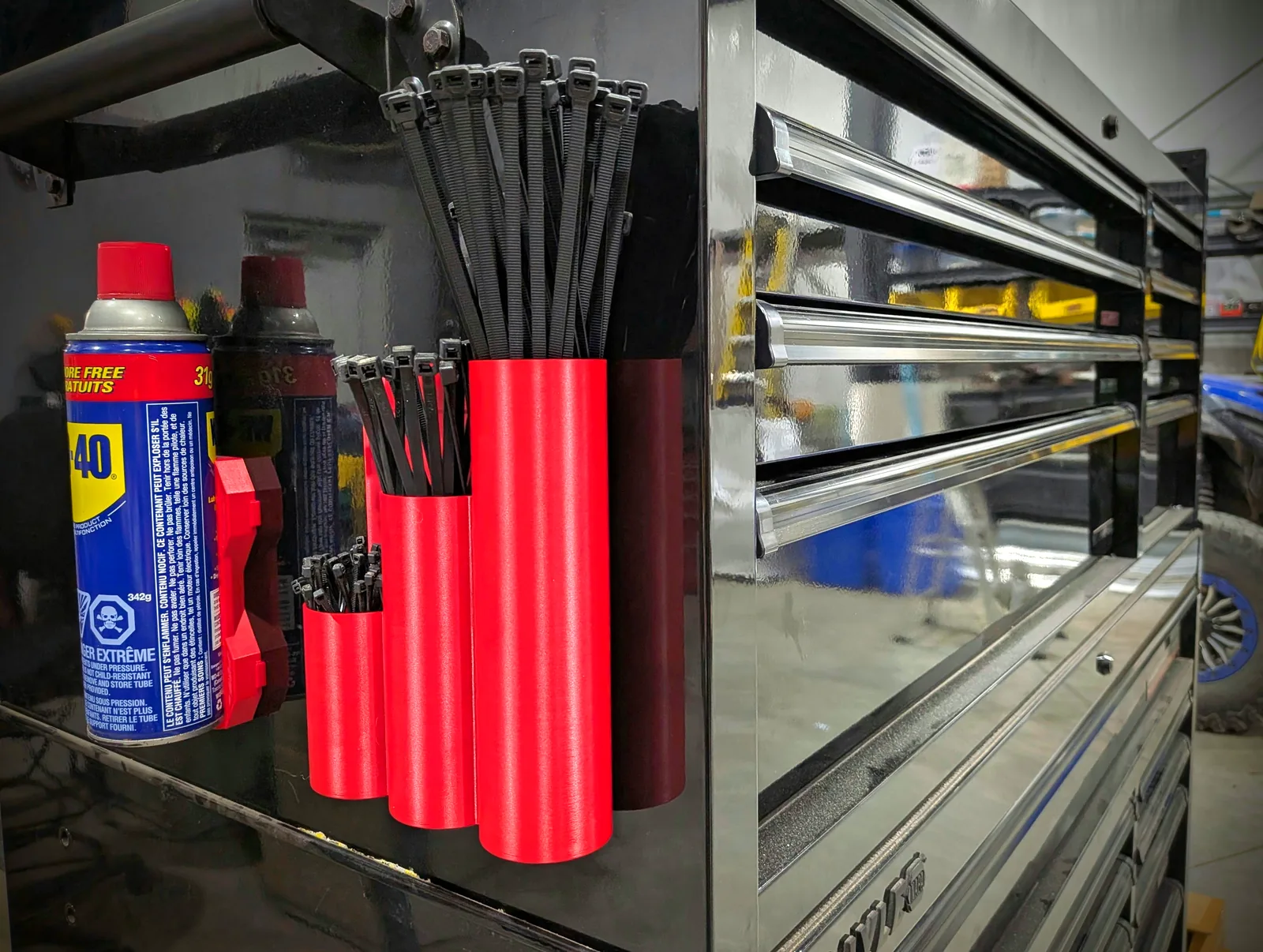
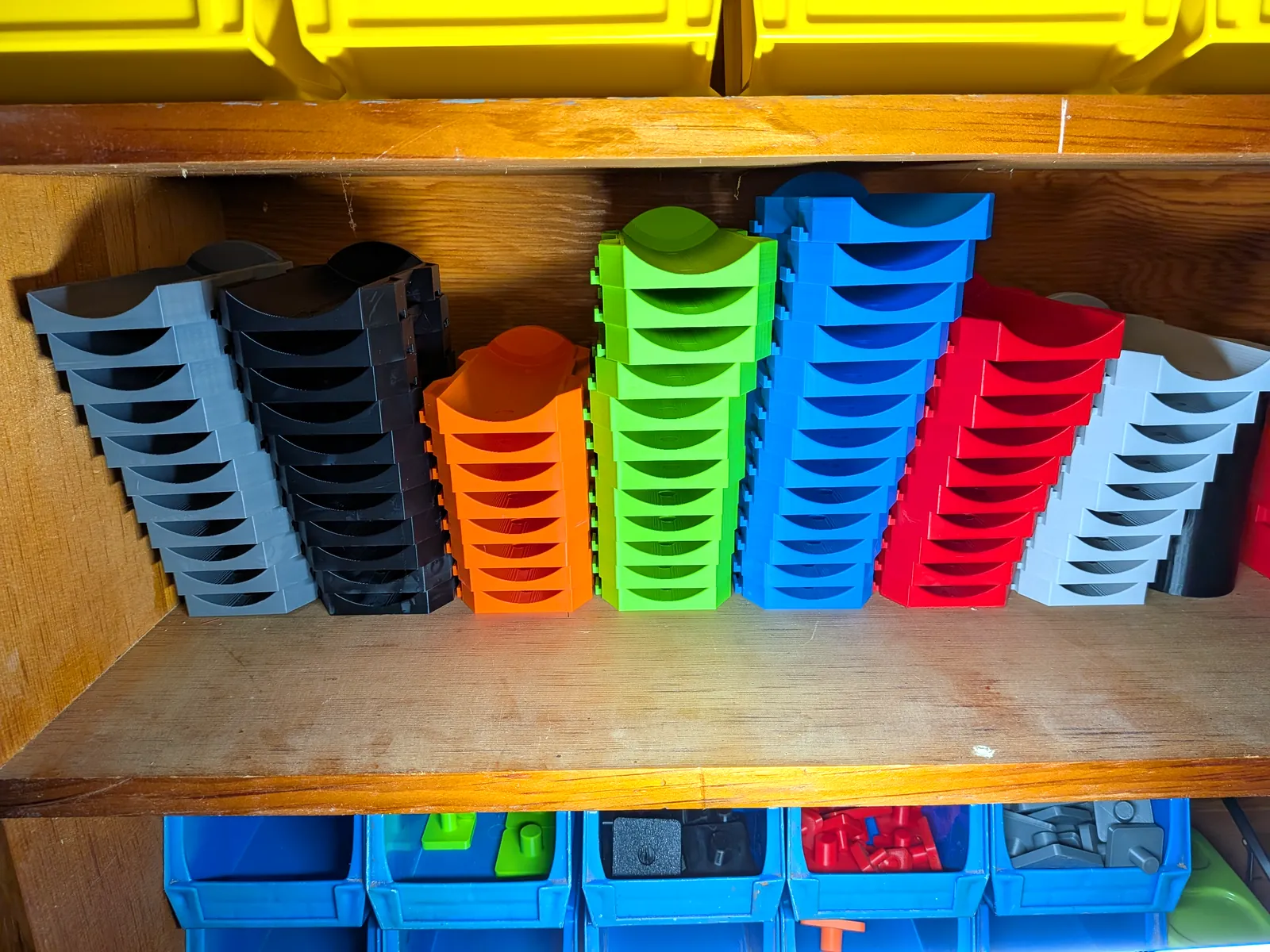
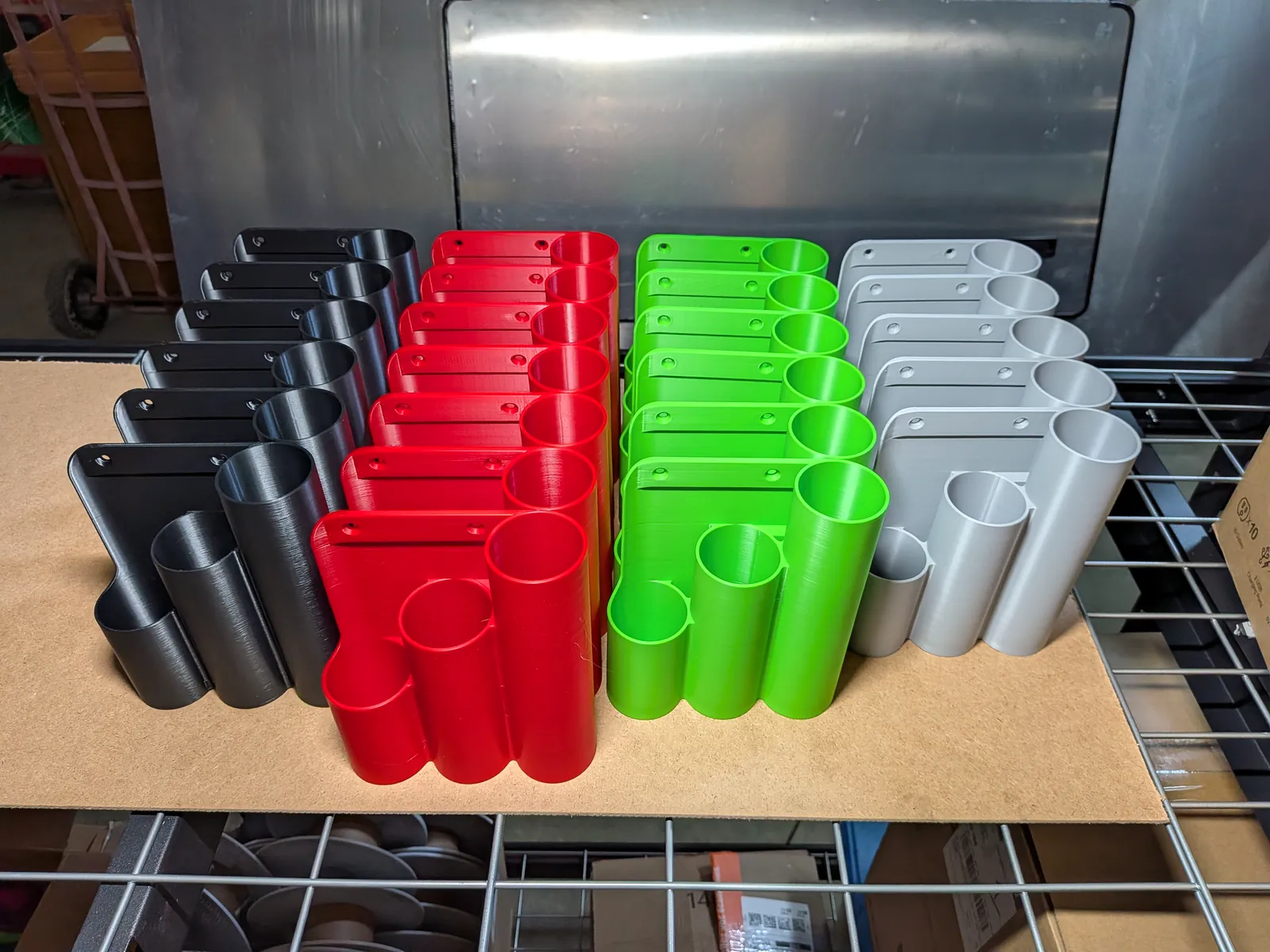
Zengineer's Workshop is a one-person business specializing in toolbox and workshop organization products. Still in its first year, it has grown rapidly. Automation has been the focus that makes that pace possible for a solo operator.
Published July 16, 2026
Sign up for free today
No credit card required. Connect unlimited printers and get production automation running in minutes.